Learn more about our latest truffle research project.
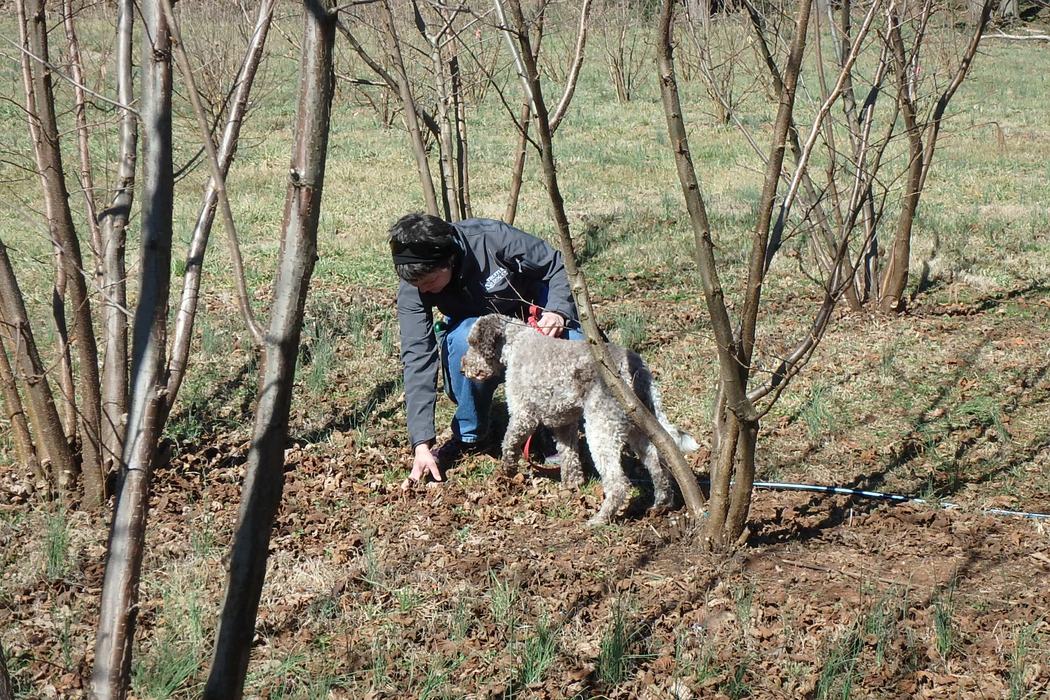
Truffles (Tuber melanosporum) are a highly prized, edible fungus that grows in association with the roots of several species of trees. They are not native to the United States and we are still learning about their life cycle and how to grow them. In North Carolina, filberts are often used as the host tree, although more oaks and other native trees are now being planted. Roots of the tree seedlings are inoculated with the fungus and the young trees are planted in an orchard. Truffles need a temperate environment where freezing temperatures occur but not where the ground freezes solid. The soil should have a pH of about 7.6 to 8.1 for truffle fruiting to occur. Because soils in North Carolina are naturally acidic, they must be heavily limed to slowly raise the pH. A good site for a truffle orchard should also be well drained and irrigated. Once the trees are planted, the orchards are maintained with light cultivation several times per year. An organic mulch is helpful to keep down weeds, retain soil moisture, and moderate soil temperatures. The first truffles should appear between the fourth to ninth year after planting. They are usually about four to six inches deep in the soil and dogs can be trained to find them during the winter and early spring.
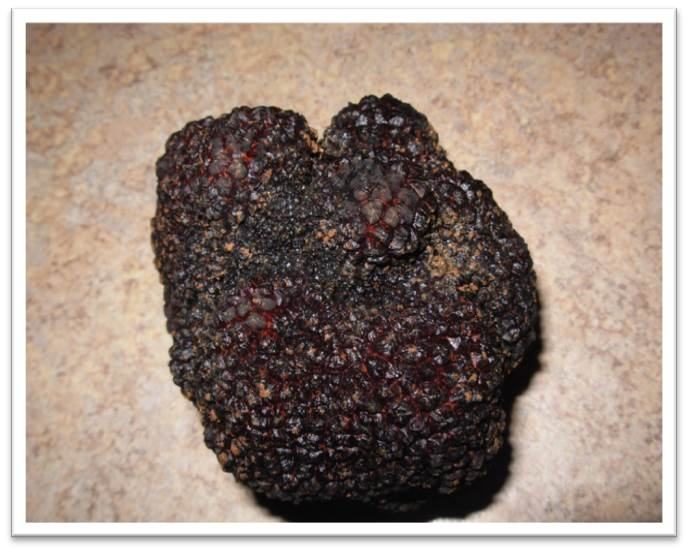
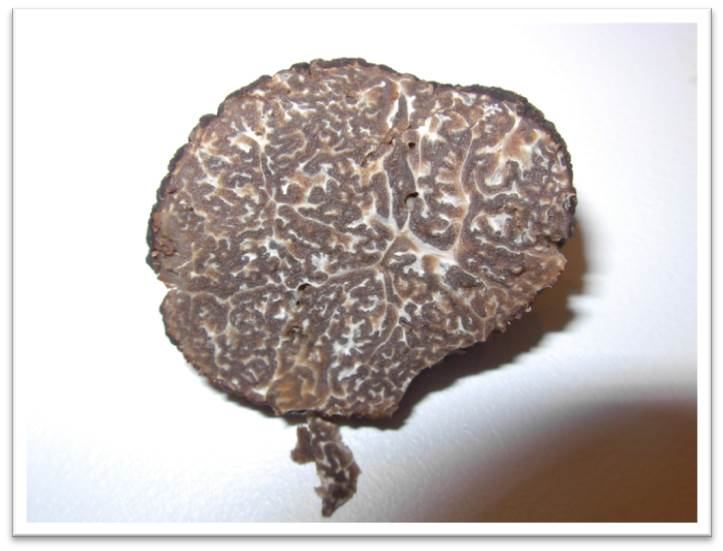
We can produce Black Perigord truffles in North Carolina. We had done so at the research station in Waynesville. Some growers in North Carolina, Kentucky, Virginia, and Tennessee have successfully produced truffles. Eastern Filbert Blight is a serious threat to filbert orchards and decimated many of the earliest truffle orchards. Newer orchards have been planted with trees that are more tolerant of the blight and they are also being closely monitored, pruned, and sprayed when the blight occurs.
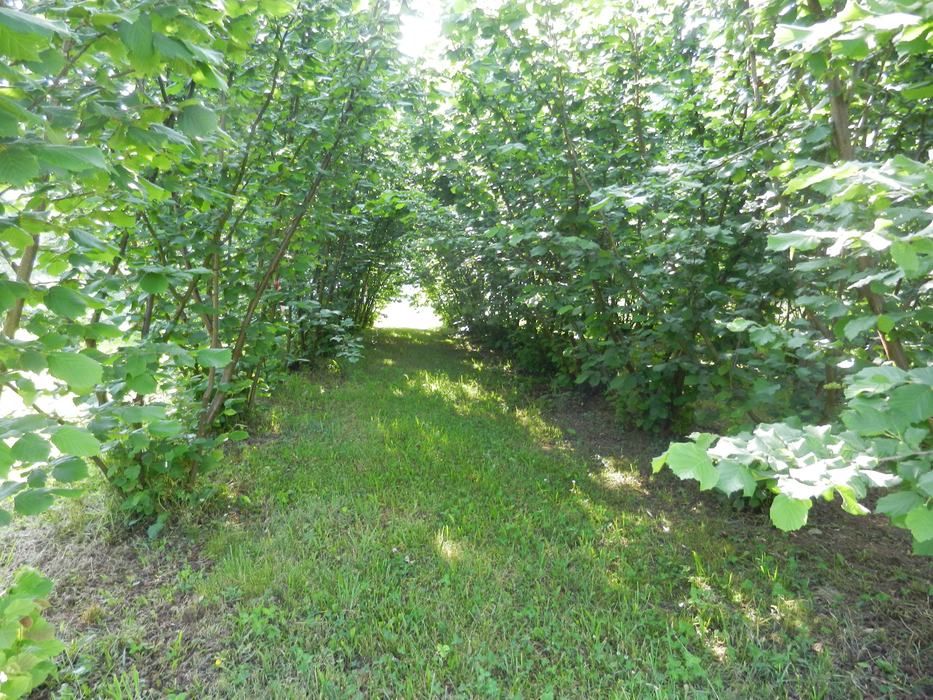
Because truffle orchards take so long to produce, and because the truffles occur underground where it is difficult to monitor what is happening, when orchards don't produce after five years or so, growers wonder if they will ever produce or not. Should they keep maintaining the orchard or give up? Until recently, there was not been a good way to tell what is happening underground. That was the reason for the truffle grant project (2015-2017). Visit that page to learn more about monitoring the truffle fungus in your orchard.
There are several other kinds of truffles that can be grown and might be easier to produce than black Périgord truffles. They are not as valuable, however, market interest is growing. They include, for example, the native pecan truffle (Tuber lyonii) and the burgundy or summer truffle (Tuber aestivum).
Reviewed by Jeanine Davis, NC Alternative Crops & Organics Program, Department of Horticultural Science, NC State University on 6/9/2025.